Optimize Efficiency: Excellence in Data Center Resource Management Services for Excellent Performance
Enhancing effectiveness in data centers is needed for organizations attempting to advance performance. Top Data Center Infrastructure Management (DCIM) services present vital capabilities for live monitoring and metrics. Solutions from ServiceNow, Sunbird, Schneider Electric, and Nlyte rise above this marketplace. These services not only catalog assets but also perfect resource utilization. Understanding how to settle on the right DCIM solution can bring about significant gains. What elements should organizations deliberate to make an prudent choice?
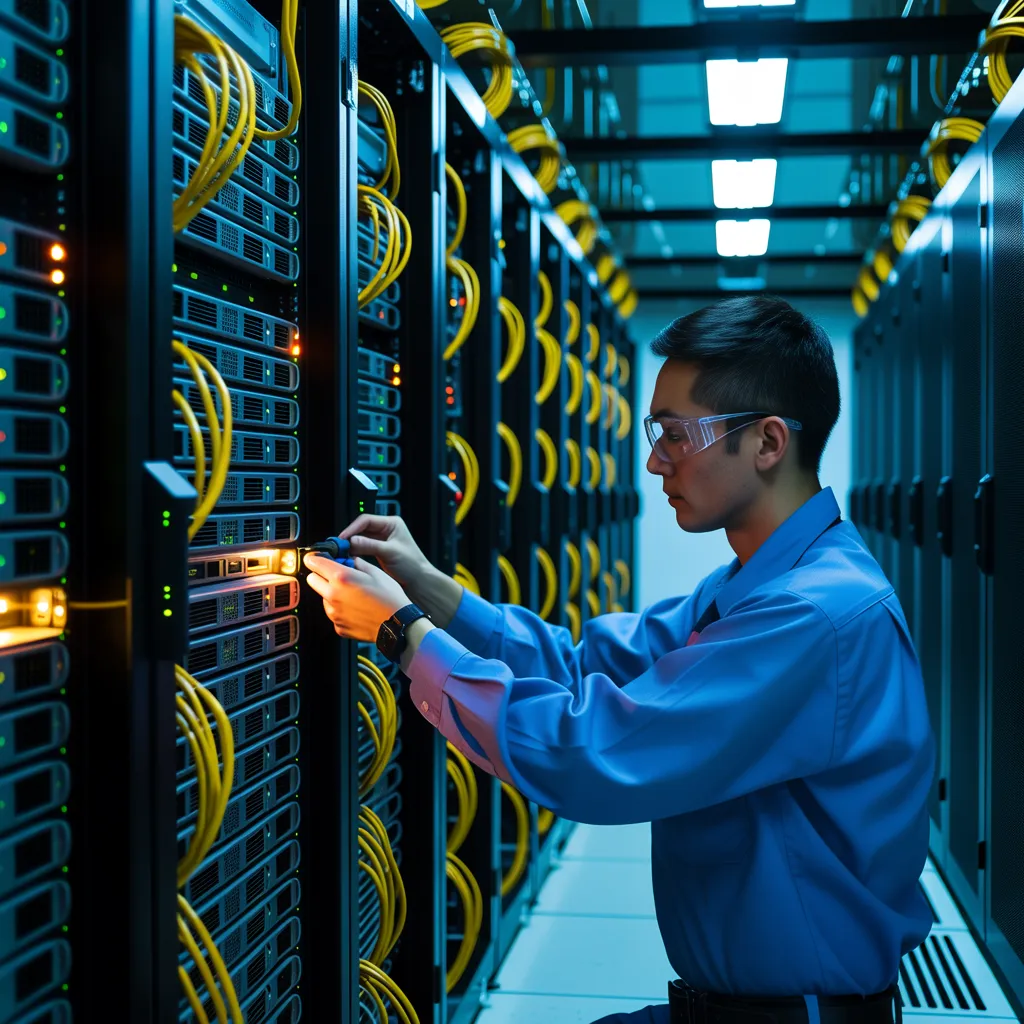
Premium DCIM Services for 2023
As enterprises increasingly rely on data centers to enable their functions, identifying the optimal Data Center Infrastructure Management (DCIM) platforms for 2023 proves vital. Prominent DCIM services deliver thorough solutions designed to optimize resource management, strengthen operational efficiency, and assure robust monitoring capabilities. Notable competitors in the market include ServiceNow, known for its integration capabilities, and Sunbird, which stands out in real-time visualization and reporting. Additionally, Schneider Electric offers a powerful platform for energy management and asset tracking.
Another key player, Nlyte, focuses on improving data center efficiency through sophisticated analytics. These services not only facilitate improved strategic choices but also help in forecasting upcoming needs. As data demands continue to grow, choosing a DCIM service that provides scalability and versatility is essential. Ultimately, organizations must assess their specific requirements to select the most suitable DCIM service, guaranteeing optimal efficiency and reliability in their data management strategies.
Exploring Data Center Infrastructure Management (DCIM)
Data Center Infrastructure Management (DCIM) encompasses a collection of instruments and practices intended to oversee, control, and enhance data center assets. By combining IT and facility management, DCIM provides comprehensive visibility into the efficiency and usage of critical assets. This method enables real-time data collection, enabling operators to take knowledge-based actions regarding power usage, cooling efficiency, and space utilization.
DCIM tools often include capabilities such as asset tracking, resource allocation, and climate control assessment, which collectively improve operational efficiency. They empower data center managers to detect bottlenecks, optimize processes, and lower expenses. Furthermore, DCIM facilitates strategic planning for future expansions and assists companies meet regulatory standards. By implementing effective DCIM methodologies, data centers can attain greater dependability, enhanced environmental responsibility, and superior overall performance, ultimately contributing to superior service provision in a rapidly evolving digital landscape.
Essential Features for Choosing Reliable DCIM Solutions
Determining effective Data Center Infrastructure Management (DCIM) services demands meticulous evaluation of vital features that boost performance and resource management. Important characteristics include real-time observation capabilities, providing immediate insight into power usage and environmental conditions. Connectivity with current systems is also essential, as seamless interaction fosters a unified approach to data management.
Scalability serves as an important characteristic, allowing organizations to adapt as their infrastructure grows and changes. Sophisticated analysis tools can provide forecasting intelligence, supporting strategic planning and reducing downtime. User-friendly interfaces enhance accessibility for multiple users, while robust security measures protect sensitive data.
Finally, customization options ensure that DCIM services can be tailored to meet particular business requirements. By focusing on these critical components, businesses can select DCIM services that not only enhance efficiency but also contribute to long-term sustainability and business excellence.
Determining the Most Suitable DCIM System to fit Your Specific Needs?
What approach can an organization use to select the best DCIM solution tailored to its unique needs? The selection process commences with a detailed assessment of present framework and operational requirements. Organizations should identify essential resource specific goals, such as increasing uptime, strengthening resource allocation, or fine-tuning capacity planning. Additionally, evaluating scalability is essential; a solution must adapt to future growth and digital advancements.
Thereafter, organizations must evaluate integration capabilities. The ideal DCIM solution should blend seamlessly with current platforms and tools. User-friendliness also is vital; intuitive interfaces enable user embrace and operational efficiency.
Additionally, organizations should explore vendor support and stakeholder participation, as ongoing assistance and materials can be critical. Finally, completing a cost-benefit analysis confirms that the selected solution matches with spending limits while delivering the anticipated value. By executing these steps, businesses can assuredly select a DCIM solution that meets their specific demands and enhances overall performance.
Using DCIM Solutions to Improve Energy Efficiency
By utilizing DCIM tools, you can greatly enhance energy efficiency within data centers. Through offering comprehensive analysis into power consumption and heat management, these tools enable operators to spot inefficiencies and optimize resource distribution. With real-time data on energy usage, data center managers can make informed choices about equipment placement and cooling strategies, ensuring that energy is not squandered.
DCIM platforms also support automated oversight of power loads, allowing for dynamic adjustments based on current demand. This adaptability can lead to major decreases in energy costs. In addition, advanced analytics within DCIM tools can pinpoint areas for further enhancement, promoting proactive measures rather than reactive fixes.
Merging these tools into daily operations promotes a culture of continuous improvement, ultimately producing a lower-impact data center habitat. The result is not simply streamlined performance but also a lessened carbon emissions, aligning with larger ecological objectives.
Immediate Observation : The Core of DCIM Excellence
Real-time oversight serves a key necessity in the performance of Data Center Infrastructure Management (DCIM). By furnishing enhanced performance measurements, it allows proactive detection and optimization of resource utilization. This functionality at last supports better operational efficiency and trustworthiness within data centers.
Improved Performance Metrics
Tracking infrastructure facility performance is crucial for boosting performance and maintaining reliability. Improved performance indicators offer essential intelligence into various infrastructure elements, including power usage effectiveness, cooling system efficiency, and resource distribution. By utilizing real-time data, companies can review their infrastructure's performance and flexibility, supporting strategic decision-making. Metrics including uptime measurements, response delay, and throughput performance support spot emerging patterns and determine expansion requirements. Furthermore, these measurements build team accountability across departments, shaping future plans and budget decisions. Regular evaluation of operational data aids not just in comparison to sector performance standards while nurtures an environment of continuous progress. In the end, superior performance metrics function as a key basis of efficient data center infrastructure operations, producing both operational superiority and business advantage.
Proactive Problem Discovery
Proactive concern identification is crucial in upholding the stability of data center operations. By leveraging instant surveillance systems, data centers can spot potential problems before escalation into critical failures. This framework facilitates teams to react swiftly to anomalies in thermal conditions, electrical usage, and equipment performance. Continuous observation secures that any shifts from established norms are identified immediately, granting for quick corrective measures. As a outcome, the overall robustness of the infrastructure is enhanced, cutting down downtime and protecting service quality. Moreover, proactive detection contributes to informed decision-making regarding maintenance schedules and capacity management, ultimately refining workflow productivity. Dedicating funds in robust monitoring solutions is indispensable for maintaining peak performance in current era's complex data environments.
Resource Utilization Refinement
Successful management of a data center's resources depends on the capacity to continuously track and analyze operational metrics. Real-time monitoring serves as the basis for improving resource utilization, enabling data center managers to identify inefficiencies and allocate assets effectively. By leveraging advanced DCIM tools, organizations can collect essential information on power consumption, cooling efficiency, and workload distribution. This data permits for more knowledgeable decision-making, ensuring that resources are utilized to their fullest potential. Additionally, real-time analytics facilitate immediate reactions to changing demands, reducing waste and boosting overall performance. Ultimately, effective resource utilization optimization not only improves operational efficiency but also supports sustainability goals, making it a crucial component of modern data center management strategies.
Emerging Patterns in Data Center Facility Management
As computational hubs progress to address surging demands for efficiency and performance, emerging shifts in Data Center Infrastructure Management (DCIM) are reimagining the landscape. One notable shift is the fusion of artificial intelligence (AI) and neural networks, which refines predictive analytics for capacity forecasting and energy efficiency. These platforms enable real-time monitoring and self-executing corrections to looming obstacles, materially reducing downtime.
Moreover, the adoption of edge computing is accelerating a shift in DCIM frameworks, as organizations endeavor to process data closer to its source for improved speed and effectiveness. This calls for advanced management tools to preserve performance across decentralized environments.
Sustainability is also at the forefront, with a focus on reducing carbon footprints and improving resource consumption. To conclude, the rise of hybrid cloud solutions calls for more advanced DCIM systems that smoothly manage both on-premises and cloud resources, ensuring maximum operational efficiency.
Frequently Asked Inquiries
How Do I incorporate DCIM With Current Data Center Infrastructure?
To unite DCIM with existing data center systems, one should evaluate current infrastructure, guarantee compatibility, implement APIs for data exchange, and perform thorough testing to establish seamless operation and improved management capabilities across platforms.
What Is the Average Cost of Implementing DCIM Solutions?
Implementing DCIM solutions generally expenses somewhere between $20,000 and $150,000 on typical basis, contingent upon the data center's dimensions, the complexity of the framework, and the specific features necessary for superior management.
Do certain regulatory guidelines exist for DCIM Services?
Certainly, particular regulatory requirements exist for DCIM services, such as ISO 27001 for data protection, PCI DSS for payment card industry standards, and various environmental regulations that direct energy efficiency and eco-friendly operations within data centers.
What Frequency Should I Upgrade My DCIM Software?
Updating DCIM software should happen at least once a year, though updates every three months are suggested to guarantee optimal functionality, security enhancements, and compliance with evolving standards. Regular assessments help identify when updates are necessary for particular business requirements.
Can DCIM Solutions Help in Disaster Recovery Preparation?
DCIM tools can greatly aid in emergency preparedness strategy by offering real-time monitoring, asset management, and situation modeling. This ensures that computing facilities are prepared for potential disruptions, strengthening overall resilience and recovery strategies.