Enhance Productivity: Best Data Center System Administration Services for Superior Performance
Boosting productivity in data centers is crucial for organizations wanting to improve results. Top Data Center Infrastructure Management (DCIM) services offer essential instruments for ongoing observation and insights. Solutions from ServiceNow, Sunbird, Schneider Electric, and Nlyte distinguish themselves in this industry. These services not only monitor assets but also enhance resource management. Understanding how to identify the right DCIM solution can generate significant gains. What criteria should organizations review to make an educated decision?
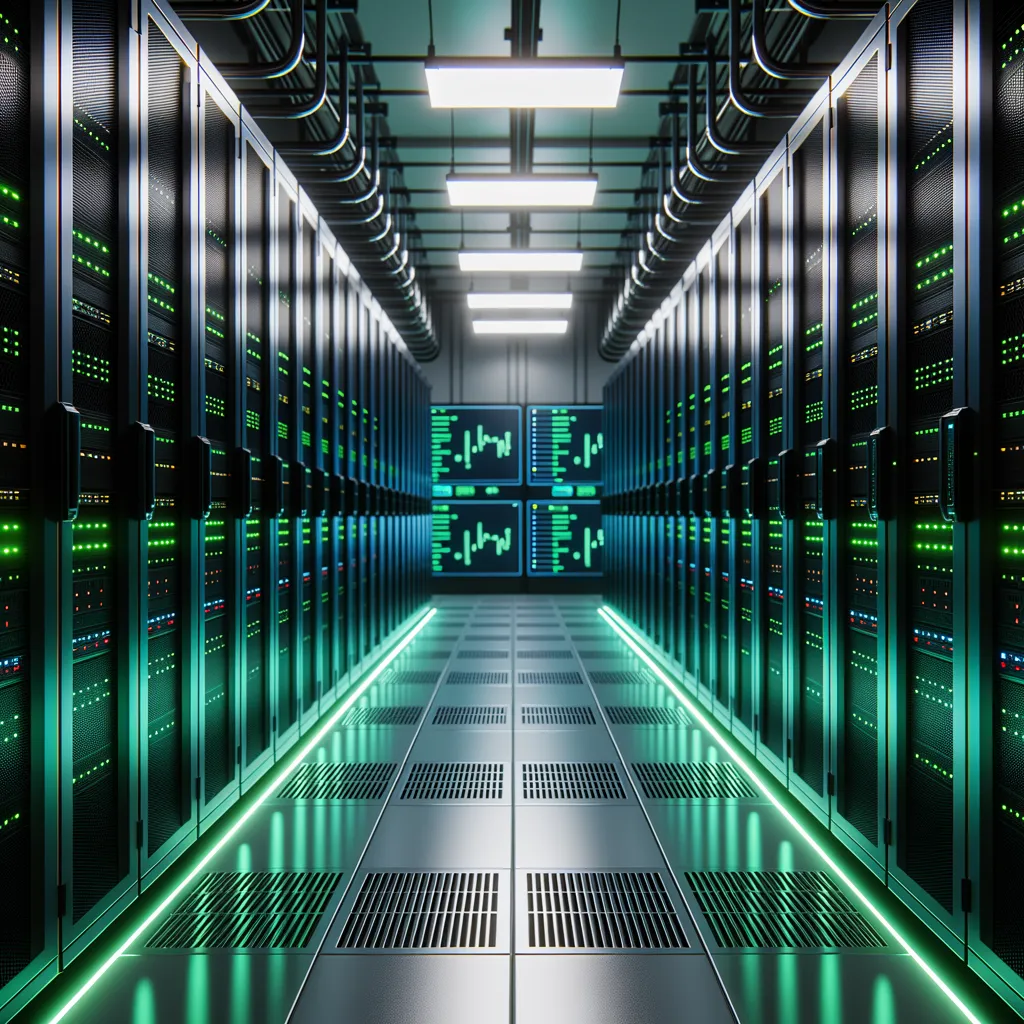
Top DCIM Solutions for 2023
As organizations ever more depend upon data centers to sustain their operations, identifying the superior Data Center Infrastructure Management (DCIM) systems for 2023 becomes vital. Leading DCIM services furnish thorough solutions structured to enhance resource management, refine operational efficiency, and pledge robust monitoring capabilities. Notable contenders in the market include ServiceNow, distinguished by its integration capabilities, and Sunbird, which performs exceptionally in real-time visualization and reporting. Additionally, Schneider Electric extends a powerful platform for energy management and asset tracking.
Another key player, Nlyte, specializes in improving data center performance through advanced analytics. These services not only facilitate better decision-making but also assist with predicting future needs. As data demands continue to grow, selecting a DCIM service that offers scalability and versatility is essential. Ultimately, organizations must evaluate their particular needs to select the most suitable DCIM service, ensuring peak efficiency and reliability in their data administration strategies.
Learning about server facility Infrastructure Management (DCIM)
Data Center Infrastructure Management (DCIM) includes a collection of instruments and methodologies created to monitor, manage, and optimize data center resources. By combining IT and facility management, DCIM provides comprehensive insight into the performance and utilization of essential systems. This method enables immediate information gathering, enabling operators to make informed decisions regarding energy consumption, cooling efficiency, and area allocation.
DCIM implementations often supply functions comprising inventory tracking, capacity planning, and environmental monitoring, which mutually enhance operational efficiency. They allow data center managers to spot impediments, optimize systems, and minimize operational costs. Additionally, DCIM supports strategic planning for growth opportunities and helps businesses to comply with regulatory standards. By executing proven DCIM practices, data centers can achieve better dependability, greater environmental consciousness, and substantial aggregate results, therefore contributing to superior support services in a rapidly evolving digital landscape.
Essential Features for Choosing Reliable DCIM Solutions
Selecting effective Data Center Infrastructure Management (DCIM) solutions necessitates careful evaluation of critical capabilities that enhance operational efficiency and resource management. Key characteristics feature immediate monitoring capabilities, providing instant insight into power usage and environmental conditions. Connectivity with existing infrastructure is also critical, as seamless communication encourages a integrated approach to information governance.
Scalability is another significant feature, allowing organizations to adapt as their infrastructure expands and evolves. Advanced analytics can deliver predictive insights, supporting active planning and reducing downtime. User-friendly interfaces enhance accessibility for various stakeholders, while robust security measures safeguard sensitive data.
Finally, personalization features guarantee that DCIM services can be tailored to meet specific organizational needs. By focusing on these essential features, businesses can choose DCIM services that not only enhance efficiency but also support sustained growth and business excellence.
Finding the Perfect DCIM Solution Tailored to Your Business?
How can an company identify the best DCIM solution customized to its unique professional advice needs? The selection process starts with a thorough evaluation of current systems and business requirements. Organizations should recognize particular goals, such as enhancing uptime, boosting resource usage, or optimizing capacity planning. Additionally, evaluating expandability is critical; a solution must adapt to future growth and technical advancements.
Thereafter, organizations must review integration capabilities. The ideal DCIM solution should operate smoothly with current platforms and tools. Usability also serves a significant role; accessible interfaces enable user embrace and operational efficiency.
Additionally, enterprises should examine vendor support and stakeholder participation, as ongoing assistance and materials can be important. Finally, undertaking a return on investment analysis confirms that the picked option corresponds with spending limits while offering the expected returns. By implementing these steps, businesses can confidently select a DCIM solution that meets their specific demands and enhances total effectiveness.
Using DCIM Tools to Enhance Energy Efficiency
Using DCIM tools can greatly enhance energy efficiency within data centers. By providing in-depth insights into power consumption and heat dynamics, these tools enable operators to identify inefficiencies and refine resource allocation. With real-time data on energy usage, data center managers can take knowledgeable choices about equipment placement and thermal approaches, ensuring that energy is not wasted.
DCIM offerings also streamline automated monitoring and control of power loads, allowing for dynamic adjustments based on current demand. This adaptability can lead to significant reductions in energy costs. In addition, powerful analytics within DCIM tools can reveal areas for further advancement, fostering proactive strategies rather than reactive fixes.
Incorporating these solutions into routine processes creates a culture of continuous improvement, ultimately pushing toward a more sustainable data center infrastructure. The consequence is not merely enhanced efficiency but also a diminished environmental burden, matching with broader environmental goals.
Real-Time Monitoring : The Foundation of DCIM Success
Real-time supervision constitutes a paramount feature in the success of Data Center Infrastructure Management (DCIM). By presenting upgraded performance statistics, it makes possible proactive anomaly detection and streamlining of resource utilization. This characteristic ultimately supports increased operational efficiency and robustness within data centers.
Advanced Operational Data
Evaluating data center performance represents a necessity for optimizing performance and sustaining reliability. Superior performance measures furnish key intelligence regarding multiple infrastructure aspects, encompassing electrical energy efficiency, temperature control effectiveness, and resource management. Through employing real-time monitoring, institutions can evaluate their infrastructure durability and adaptability, allowing intelligent decisions. Key performance indicators including server availability, network latency, and data capacity prove instrumental in spotting changes and forecasting resource needs. Concurrently, such metrics strengthen organizational accountability, shaping future direction and investment allocation. Methodical evaluation of operational intelligence supports industry benchmarking against established performance criteria and supports a system fostering perpetual improvement. Fundamentally, superior operational measures act as a cornerstone for strong infrastructure management, producing both operational distinction and business advantage.
Proactive Concern Identification
Proactive threat detection serves a vital purpose in maintaining the integrity of data center operations. By utilizing live tracking systems, data centers can detect possible issues before they intensify into catastrophic failures. This system allows teams to respond with urgency to unexpected behaviors in ambient temperature, energy usage, and machine performance. Perpetual observation ensures that any variations from baseline conditions are brought to attention right away, enabling for rapid intervention. As a outcome, the overall dependability of the technical foundation is amplified, lowering service interruptions and safeguarding service excellence. Moreover, preventive identification facilitates strategic planning regarding care schedules and budget distribution, in the long term boosting system performance. Channeling resources in comprehensive tracking systems is essential for ensuring optimal functioning in current complex data environments.
Resource Utilization Optimization
Competent management of a data center's resources depends on the ability to persistently analyze and track operational metrics. Real-time tracking establishes the bedrock for enhancing resource utilization, empowering data center managers to spot inefficiencies and distribute assets effectively. By adopting advanced DCIM tools, organizations can gather essential information on power consumption, cooling efficiency, and workload distribution. This data allows for more sound decision-making, ensuring that resources are maximized to their fullest potential. Additionally, real-time analytics facilitate immediate adjustments to changing demands, reducing waste and enhancing overall performance. Ultimately, effective resource utilization optimization not only improves operational efficiency but also contributes to sustainability goals, making it a indispensable component of modern data center management strategies.
Future Directions in Data Center Infrastructure Management
As data centers shift to meet escalating needs for streamlining and capability, rising trends in Data Center Infrastructure Management (DCIM) are reconfiguring the field. One key movement is the merging of artificial intelligence (AI) and deep learning, which strengthens analytics predictions for capacity optimization and managing energy. These technologies support real-time tracking and automated adjustments to prospective problems, substantially reducing downtime.
In addition, the adoption of edge computing is spurring a shift in DCIM methodologies, as businesses pursue to manipulate data proximate to its source for refined speed and throughput. This requires innovative governance solutions to maintain performance across distributed environments.
Sustainability continues to be at the forefront, emphasizing reducing carbon footprints and better resource consumption. In conclusion, the increase of hybrid cloud solutions necessitates more advanced DCIM systems that can smoothly manage both on-premises and cloud resources, ensuring peak operational efficiency.
Common Queries That Are Posed
How Do I incorporate DCIM With Existing Data Center Setup?
To integrate DCIM with existing data center systems, one should inspect current infrastructure, guarantee compatibility, configure APIs for data exchange, and complete thorough testing to confirm seamless operation and improved management capabilities across platforms.
What Constitutes the Average Cost of Adopting DCIM Solutions?
The average cost of implementing DCIM solutions typically ranges between $20,000 and $150,000, depending on the size of the data center, the intricacy of the systems, and the specific features required for optimal management.
Are certain regulatory requirements necessary for DCIM Services?
Certainly, particular regulatory requirements exist for DCIM services, including ISO 27001 for information security, PCI DSS for payment card industry standards, and multiple environmental guidelines that guide energy efficiency and sustainability practices within data centers.
What Interval Should I Update My DCIM Software?
DCIM software updates should take place at least once yearly, though quarterly updates are recommended to ensure maximum performance, security improvements, and conformity with advancing requirements. Periodic reviews help identify when updates are required for distinct business objectives.
Do DCIM Platforms Aid Crisis Management Planning?
DCIM tools offer substantial support in disaster recovery planning through real-time monitoring, inventory control, and contingency modeling. This guarantees that data centers are well-equipped for unforeseen interruptions, improving overall robustness and recovery strategies.