Top Benefits of Expert eWaste Disposal: What You Need to Understand
The removal of e-waste is a critical concern in today's digital age. Professional electronic waste removal providers not only safeguard the environment but also ensure adherence with regulations. They tackle data security concerns and optimize the removal procedure, which can greatly impact both costs and corporate reputation. Understanding the multifaceted advantages of these services is crucial for companies seeking to handle their electronic waste responsibly. What key factors should businesses evaluate when choosing a removal provider?
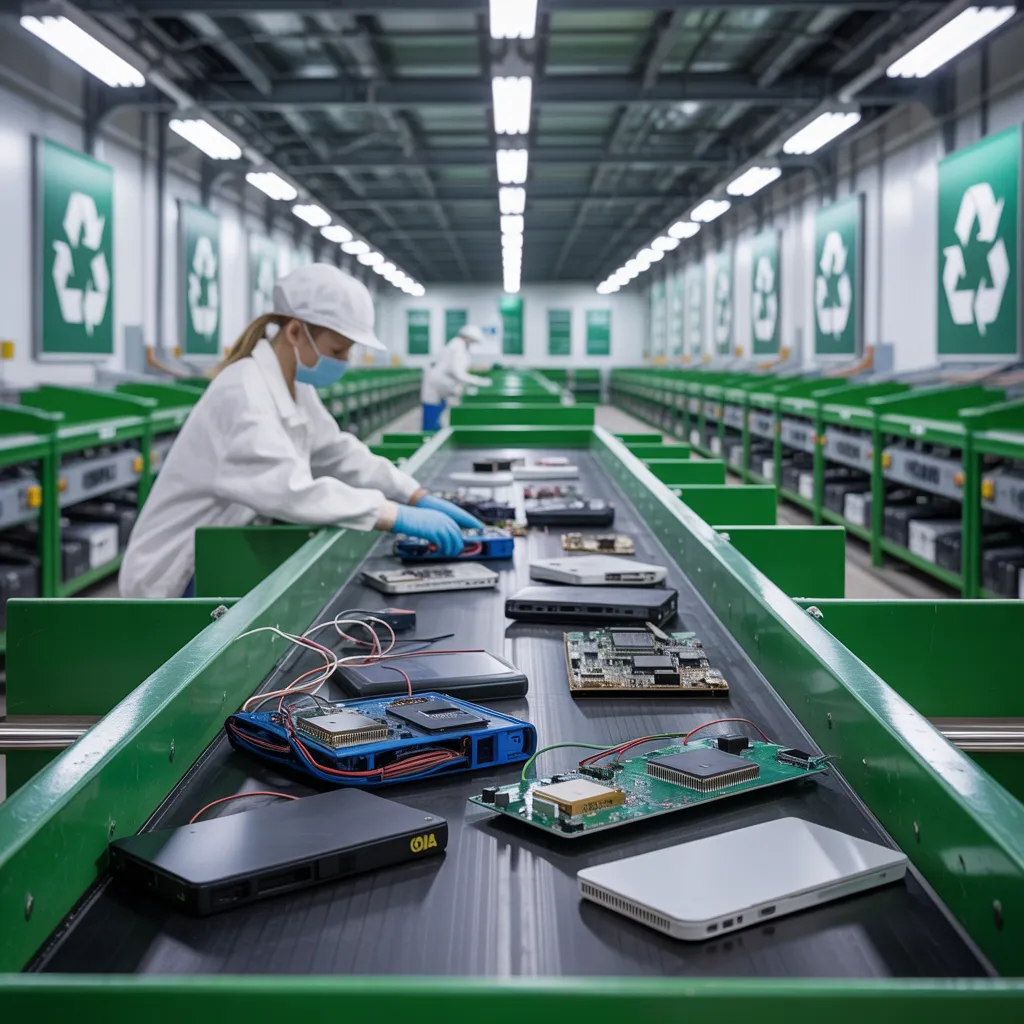
Why E-Waste Treatment Matters for the Environment
Although technology advances swiftly, the ecological effect of electronic waste endures as a critical matter. E-waste, which incorporates obsolete electronic devices like smartphones, computers, and televisions, regularly contains dangerous substances such as lead, mercury, and cadmium. When not properly managed, these materials can leach into soil and water sources, generating major health risks to ecosystems and human populations.
In addition, e-waste contributes to the escalating landfill problem, where valuable resources are thrown away. Recycling and correct disposal help alleviate these issues by extracting materials such as metal components and plastic materials, cutting the reliance on virgin resources. Professional e-waste disposal services ensure compliance with environmental standards, facilitating responsible management of electronic waste. By placing proper e-waste disposal a priority, individuals and businesses can take a important role in protecting the environment, conserving resources, and supporting a sustainable future. Such methods are key for reducing the ecological footprint of a tech-focused society.
The Function of Compliance in E-Waste Disposal Regulations
Observing e-waste disposal guidelines is vital in formulating a legal structure that directs the handling of electronic waste materials. These directives not only guarantee that enterprises adhere to ecological standards but also mitigate the adverse consequences of improper handling on ecosystems. Understanding the intersection of regulatory requirements and environmental aspects is essential for effective electronic waste handling.
Regulatory Framework Guide
The legal structure regulating e-waste management is vital for promoting sustainable operations. Multiple rules, including the Resource Conservation and Recovery Act (RCRA) in the United States, set forth standards for the treatment and disposal of electronic waste. These laws aim to reduce safety hazards and environmental hazards associated with improper management. Adherence to these rules not only protects public health but also fosters accountability among producers and consumers. Additionally, global treaties, such as the Basel Convention, highlight the need for sustainable e-waste management on a global level. Companies must remain aware about these regulatory obligations to avoid penalties and advance sustainable operations. Understanding this framework is crucial for any entity engaged in e-waste disposal.
Environmental Impact Concerns
Improper disposal of e-waste poses substantial ecological hazards, making compliance with disposal requirements a critical factor in mitigating these hazards. Electronic devices often contain hazardous materials, such as go to article lead and mercury, which can seep into soil and water, harming ecosystems and public health. Adhering to e-waste disposal regulations guarantees that hazardous materials are handled safely, reducing the risk of environmental contamination. Moreover, adherence facilitates the recycling of precious materials, encouraging environmental responsibility and resource preservation. Organizations that prioritize compliance with regulations not only contribute to environmental protection but also enhance their reputation. As awareness of e-waste issues grows, adherence becomes increasingly vital for businesses and individuals seeking to minimize their ecological footprint and support proper waste management.
How Qualified Professionals Confirm Safe Handling of Risky Materials
Many companies struggle with handling hazardous materials found in electronic waste, making professional services essential for safe removal. These services are possess the expertise and resources necessary to handle toxic substances, such as lead, mercury, and cadmium, which are commonly found in outdated electronics. Professionals follow stringent regulations and guidelines to guarantee compliance with environmental laws, minimizing the risk of contamination and harm.
Furthermore, experienced technicians utilize specialized tools and techniques to safely take apart and process electronic components. This process minimizes exposure to hazardous materials, protecting both workers and the community. Professional services also supply proper documentation, ensuring accountability in the disposal chain. By entrusting e-waste disposal to qualified professionals, organizations can reduce potential liabilities and advance sustainable practices, promoting a safer environment for all. Consequently, professional e-waste disposal is not only a legal necessity but also a ethical decision for handling hazardous materials.
Data Security: Why Professional E-Waste Removal Matters
Safeguarding cyber protection serves as a paramount issue for institutions disposing of outdated electronics. Outdated devices frequently contain classified data, encompassing personal data, business secrets, and financial records. Improper disposal could lead to data breaches, exposing organizations vulnerable to judicial consequences and corporate harm. Professional e-waste disposal services utilize standardized approaches to thoroughly purge data from devices, ensuring that it cannot be recovered.
These offerings consistently comply with strict regulatory guidelines, like GDPR and HIPAA, which require the secure management of private data. Organizations that entrust e-waste disposal to experts reduce risks associated with data theft and unauthorized access. Furthermore, these specialists provide records that confirms proper data destruction, offering peace of mind to companies concerned about their data security. In a time when cyber threats are common, prioritizing professional e-waste disposal is essential for protecting sensitive information and upholding trust with clients and stakeholders.
Streamlining Your Electronic Waste Disposal Process
Streamlining the e-waste disposal process entails establishing efficient collection methods and simplified sorting procedures. These practices not only strengthen workflow productivity but also assure secure waste management protocols are followed. By optimizing these steps, organizations can substantially decrease their ecological footprint and improve adherence with regulations.
Optimized Compilation Procedures
Effective collection methods are key in streamlining the e-waste disposal process. By adopting scheduled pickups and dedicated drop-off locations, organizations can markedly reduce the barriers that consumers face when disposing of electronic waste responsibly. Employing specialized collection vehicles along with trained staff ensures that e-waste is managed safely and securely, reducing the chances of environmental harm. Also, partnerships with local businesses and community organizations can enhance outreach campaigns, prompting more extensive participation in recycling efforts. Advanced tracking systems can also be employed to monitor collection rates and identify trends, facilitating continuous improvement in disposal strategies. At last, these efficient methods of collection assist in fostering a sustainable approach to electronic waste management, benefiting the environment and local societies.
Simplified Sorting Techniques
Drives to improve streamlined acquisition systems naturally require the need for uncomplicated categorization processes. Fine-tuning the sorting process markedly diminishes the time and labor required in e-waste disposal. By adopting clear categorization systems, organizations can readily identify and differentiate various types of electronic waste, such as computers, mobile devices, and appliances. This not only accelerates the disposal process but also decreases the risk of interference among different materials. Additionally, simplified sorting alleviates the burden on workers, allowing them to focus on compliance and safety measures. Ultimately, strong categorization methods assure that e-waste is managed responsibly, setting the stage for proper recovery and treatment, while also fostering overall environmental sustainability.
Safe Recycling Practices
Implementing safe recycling procedures is crucial for effective e-waste disposal. Professionals in the field emphasize techniques that reduce environmental impact and ensure compliance with regulations. This includes the proper segregation of components, such as metals, plastics, and hazardous components, to facilitate effective recycling. By employing certified recycling facilities, e-waste is processed with the highest care, reducing the risk of toxic substances contaminating the environment. Additionally, safe practices encourage the recovery of valuable materials, contributing to a circular economy. Organizations that adopt these practices not only protect the environment but also enhance their reputation as responsible corporate citizens. Ultimately, adopting safe recycling practices optimizes the e-waste disposal process, ensuring sustainability and compliance with legal standards.
Economic Advantages of Specialized E-Waste Handling
Many businesses find that professional e-waste disposal can significantly lower long-term costs associated with handling obsolete electronics. By outsourcing e-waste management, companies reduce expenses related to storage, handling, and potential fines for improper disposal. Expert solutions often include collection, transportation, and recycling, streamlining the process and reducing labor costs.
Moreover, certified e-waste handling providers guarantee compliance with ecological regulations, helping firms escape considerable penalties that arise from non-compliance. This strategic approach not only eliminates budgetary setbacks but also enhances the company's reputation as an sustainable organization.
Furthermore, numerous electronic waste removal providers supply data destruction, guarding sensitive information and reducing the possibility of data breaches that might cause expensive legal repercussions. In the end, dedicating resources to certified electronic waste disposal produces major savings, underscoring the value of embracing a well-planned approach to waste management.
Opting for a dependable E-Waste Elimination Business?
What methods can companies use to confirm they pick a credible e-waste management service? To start, they should confirm credentials and compliance with local requirements, ensuring the service follows to environmental standards. A reliable provider will maintain credentials such as R2 or e-Stewards, which indicate ethical waste management practices.
Next, enterprises should look into the service's experience and track record. Testimonials and feedback can give insight into the consistency and excellence of service. Additionally, a trusted company will supply transparent pricing and explicitly explain their treatment procedures.
It is also necessary to question data security measures. A trustworthy service should assure the proper disposal of sensitive information on devices. Finally, businesses may benefit from choosing a service that provides supplementary offerings, such as resource retrieval or refurbishment, enhancing overall value. By adopting this strategy, businesses can securely select a reliable e-waste disposal partner that corresponds with their sustainability goals.
Frequently Inquired Questions
What Categories of Electronics Can Be Discarded Professionally?
Professionally disposed electronics include computers, monitors, televisions, printers, smartphones, tablets, and other devices containing circuit boards or batteries. Proper disposal guarantees hazardous materials are managed safely, advancing environmental responsibility and compliance with regulations.
What Frequency Should Businesses Dispose of E-Waste?
Businesses should dispose of e-waste at least annually, or more frequently depending on their amount of obsolete electronics. Regular disposal helps mitigate environmental impact and guarantees adherence with laws regarding hazardous materials.
Can you receive tax deductions for electronic waste recycling?
Tax incentives for e-waste disposal are presented in various forms, comprising credits and deductions. These incentives prompt businesses to recycle responsibly, decreasing environmental impact while potentially reducing their tax obligations through involvement in authorized recycling programs.
Can Non-Profit Groups Gain Advantages From E-Waste Removal Services?
Non-profit bodies can positively benefit from e-waste disposal programs. These services often offer affordable remedies, champion environmental stewardship, and may facilitate fundraising opportunities through connections, advancing their community engagement and sustainability work.
How is E-Waste Managed Following Expert Removal?
Following certified handling, e-waste is commonly taken apart, with recyclable materials categorized. Toxic materials are carefully managed, while reusable components are restored or redistributed, maintaining ecological wellbeing and facilitating sustainable use in a responsible manner.