Retail Colocation: Strengthening Your Business With Reliable Data Center Solutions
Retail colocation presents an important opportunity for businesses seeking effective IT infrastructure solutions. By renting space in shared data centers, businesses can significantly reduce expenses and improve operational performance. This method enables businesses to dedicate attention to their core operations while utilizing sophisticated security features and scalable resources. However, the decision to adopt retail colocation involves multiple key factors that can impact long-term success. What criteria should organizations examine to confirm they select the right option?
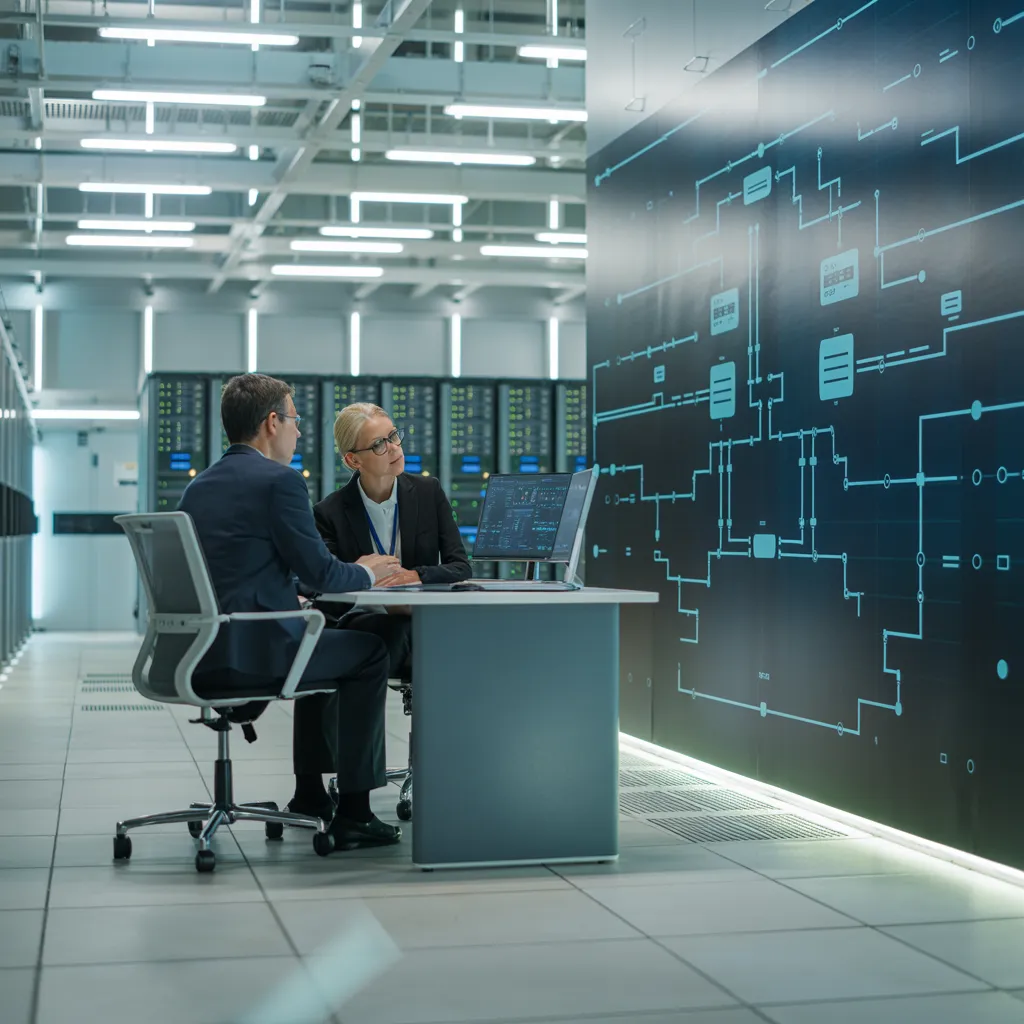
Retail Colocation Explained: A Thorough Overview
Retail colocation provides businesses a versatile and budget-friendly approach for accommodating their technology infrastructure. This solution permits organizations to secure space within a data center facility, supplying critical resources including electrical power, climate control, and security. By sharing a facility with other companies, organizations can lower expenses related to constructing and operating their own data centers.
Retail colocation facilities are equipped with state-of-the-art technology, providing reliable and flexible operations. Companies benefit from high-performance internet connectivity, redundant power sources, and stringent security protocols, which are generally more difficult to establish on their own.
Additionally, retail colocation empowers businesses to concentrate on their primary strengths instead of managing their own physical infrastructure. It presents a variety of solutions to accommodate diverse requirements, from smaller businesses to large-scale organizations. This approach cultivates an environment where businesses can effortlessly adjust to advancing technological demands while upholding productive operations.
Top 5 Advantages of Retail Colocation for Business Growth
Five critical benefits illustrate why organizations continue to adopt colocation as a practical approach for expansion. To begin, colocation offers cost efficiency by minimizing the costs associated with establishing and managing an in-house data center. Second, it enables scalability, allowing businesses to expand their infrastructure without major capital expenditure. Third, enhanced reliability is an essential benefit; colocation facilities often include redundant power, cooling, and connectivity, ensuring uptime. Furthermore, access to advanced technology is a distinct advantage, as colocation centers typically feature state-of-the-art equipment that may be financially unfeasible for individual businesses. As the fifth benefit, colocation encourages improved focus on core business activities. By entrusting data center operations to specialists, companies can channel more energy toward strategic initiatives rather than technical upkeep. In summary, these advantages make retail colocation an attractive option for businesses looking to optimize their operational efficiency and drive growth.
How Does Retail Colocation Improve Data Security?
While many businesses recognize the importance of data security, few realize how retail colocation can greatly enhance their protective measures. Through utilizing communal data center infrastructure, businesses obtain advanced security technologies that could prove too costly to implement alone. These colocation centers generally provide robust physical security measures, including biometric access controls, monitoring systems, and resident security teams, reducing vulnerabilities related to unauthorized access.
In addition, these facilities often provide comprehensive cybersecurity tools, such as firewalls and intrusion detection systems, built to protect valuable information. Regular security audits and alignment with industry guidelines confirm that information remains safeguarded against emerging threats. Furthermore, the backup capabilities provided by colocation services maintains data accessibility even during downtime, further enhancing overall security. Ultimately, retail colocation not only consolidates resources but also strengthens data protection, permitting companies to prioritize their essential activities with increased assurance.
The Way Retail Colocation Provides Scalability and Flexibility
Retail colocation provides businesses the opportunity to effectively expand their operations through flexible resource distribution. This flexibility allows for swift infrastructure growth, enabling development without the need for substantial financial commitment. Furthermore, customized solutions can be developed to address unique business requirements, improving overall flexibility in a dynamic market.
Dynamic Resource Allocation on Demand
Scalability and adaptability are critical qualities in the modern rapidly evolving digital environment, and on-demand resource provisioning through colocation solutions efficiently addresses these demands. Retail colocation empowers organizations to scale their IT infrastructure dynamically in response to real-time requirements. This framework permits businesses to swiftly scale server capacity up or down, bypassing the prolonged delays inherent in traditional infrastructure procurement. Utilizing colocation facilities, companies can obtain additional bandwidth, storage capacity, and processing resources whenever required, ensuring that they remain agile in responding to market changes. This on-demand approach not only optimizes operational efficiency but also helps reduce costs by eliminating the need for excessive upfront capital expenditure. Fundamentally, retail colocation empowers businesses to adapt seamlessly to evolving requirements.
Swift Infrastructure Growth
As businesses increasingly require swift changes to their technology infrastructure, retail colocation stands out as a vital option for accommodating growth. This approach allows companies to quickly scale their operations without the challenge of major financial investments associated with building and maintaining their own data centers. By taking advantage of shared resources, companies can secure additional capacity and bandwidth whenever required, guaranteeing they can address market shifts or sudden demand increases efficiently. Retail colocation also provides the flexibility to adjust power and space needs as organizational demands change. With reliable infrastructure and expert support, businesses can focus on their core objectives while effortlessly expanding their capabilities, ultimately enhancing their competitiveness in a dynamic marketplace.
Customized Solutions for Growth
Taking advantage of retail colocation, companies secure a fundamental benefit in reaching both scalability and flexibility. This strategy permits businesses to efficiently modify their IT infrastructure based on market conditions. Through leveraging shared resources in a colocation facility, organizations can grow their operations without the significant initial expenses linked to constructing and managing their own data centers. The modular design of colocation services enables seamless integration of additional servers and networking equipment as needed. Moreover, organizations can swiftly downsize during less active periods, enhancing resource management. This responsiveness not only enhances operational efficiency but also supports innovation, allowing companies to focus on growth strategies while relying on robust data center solutions to manage their technological needs.
How to Identify the Ideal Retail Colocation Partner
Selecting the most suitable retail colocation partner begins with a detailed evaluation of infrastructure specifications. Companies must identify their specific needs to confirm suitability with potential providers. Furthermore, evaluating service level agreements is necessary to confirm that the selected provider satisfies performance and reliability benchmarks.
Review Infrastructure Requirements
When refer now analyzing infrastructure requirements, businesses must carefully examine their specific needs to identify the ideal retail colocation partner. This process commences with establishing present and projected data storage demands, as well as connectivity requirements. Businesses need to account for their growth projections and the potential need for flexible scaling options within the facility. Furthermore, reviewing power and cooling systems is necessary, ensuring the provider can accommodate high-performance equipment. Security measures, including on-site and network-based, need to be thoroughly examined to safeguard critical information. Finally, the physical location of the data center needs to support business continuity goals and connectivity demands. By evaluating these criteria, organizations can make informed decisions when choosing a retail colocation provider that best supports their operational goals.
Evaluate Service Level Agreements
Assessing service contracts (SLAs) is a fundamental consideration in identifying the ideal retail colocation partner once you have examined your infrastructure needs. Service level agreements outline the expectations and responsibilities between the colocation provider and the organization, including uptime assurances, technical support timelines, and data security measures. A thorough review of these documents can uncover key risks and advantages, supporting company priorities. Critical elements to consider include non-compliance consequences, dispute resolution processes, and terms for service credits. Furthermore, companies should assess the service provider's performance record in fulfilling service agreements, as this demonstrates reliability and commitment to service quality. At the end of the day, a properly established SLA promotes a clear and accountable relationship, enabling businesses to effectively utilize colocation services for greater operational effectiveness.
Economical Methods for Getting the Most Out of Your Colocation Investment
Optimizing a colocation commitment demands thoughtful planning and sound decision-making. Organizations can enhance cost-efficiency by comprehensively reviewing their needs before identifying a colocation provider. This confirms alignment with service offerings and avoids unnecessary expenditures.
Implementing scalable solutions is another key strategy. By choosing a provider that allows for flexible scaling, businesses can adjust their resources in response to changing demands, thus reducing unnecessary waste.
Routinely assessing and optimizing resource usage is vital. Employing analytical tools can pinpoint inefficiently used assets, allowing companies to make informed decisions about reallocating or downsizing.
Establishing beneficial clauses in SLAs (SLAs) can produce considerable cost reductions. Organizations should confirm they understand all costs involved , including concealed charges.
Additionally, leveraging energy-efficient technologies can lower operational costs, further maximizing the colocation value. By implementing these methods, organizations can ensure their colocation solutions deliver ideal value while driving company development.
Common Questions and Answers
Which Business Types Benefit Most From Retail Colocation
Organizations within the e-commerce, finance, and technology industries benefit most from retail colocation services. These sectors require robust infrastructure, fast connectivity, and scalability, allowing them to improve performance, cut costs, and optimize overall operational efficiency.
How Is Retail Colocation Set Apart From Traditional Data Centers?
Retail colocation stands apart from conventional data center solutions by offering flexible scalability, shared space, and reduced costs. Businesses benefit from improved connectivity and cutting-edge infrastructure without the overhead associated with maintaining a private facility.
What Are Common Myths About Retail Colocation?
Common myths about retail colocation include the incorrect assumption that it caters solely to large-scale businesses, unnecessarily expensive, is deficient in security measures, and delivers insufficient scalability. In truth, it offers adaptability, reasonable pricing, and strong security measures ideal for organizations across different scales.
What Is the Environmental Sustainability Impact of Retail Colocation?
Colocation retail services significantly influences environmental responsibility by optimizing energy usage, minimizing carbon output, and encouraging shared resources. By centralizing infrastructure, it minimizes waste and improves operational efficiency, contributing to environmentally friendly data management methods in the field.
What Are the Typical Contract Lengths for Retail Colocation Services?
Common contract terms for retail colocation offerings vary between one and three years, although some providers may provide month-to-month arrangements. Adaptable contracts permit businesses to modify their data center demands as circumstances develop.